 MIT Hacking Medicine MalaysiaDiabetes X
Build trustworthy care for life’s biggest barriers.
A three-day sprint on early-onset diabetes, leading straight into the summit on the Monday. More than a hundred places, free to everyone selected.
From challenges to solutions
Inspired by MIT Hacking Medicine’s own model: put people with different expertise around a real healthcare problem and let the team decide what to build. You do not arrive with a finished idea. You arrive with what you know.
Problems are pitched by the people who have them. Teams form in the evening; nothing is pre-assigned.
Mentors on the floor in half-day shifts, right through the night slot.
Submissions at midday, pitches in the afternoon, then the awards dinner.
The teams present to the full room. A separate ticket for everyone else.
Reimagining the future of diabetes prevention and early care
What if we could identify the risk of diabetes earlier — and intervene before it changes a person’s life? These are the questions in the room. You do not pick one on the form.
Find them earlier
How can we identify young people at high risk of developing diabetes, before symptoms appear?
Predict, not react
Can AI and health data see the risk coming while there is still a choice to make?
Habits without stigma
How do we help young people build healthier habits without making them a patient?
Monitor continuously
How do we improve continuous monitoring and make prevention personal?
Make it affordable
How does any of this scale across Southeast Asia at a price a health system can pay?
Whose record is it?
The clinic sees three readings a year; the sensor takes one every five minutes. Build as though the person decides who reads it.
Who should join
Clinicians and nurses
Doctors, nurses, allied health and public-health professionals.
Engineers and data scientists
Software, hardware, machine learning, and anyone who can ship.
Designers and researchers
The people who can find out what is actually going on before anyone builds.
Students
Medicine, engineering, design, business. No experience required.
Entrepreneurs
People who know how a thing becomes a company rather than a demo.
Patients and caregivers
Living with diabetes is expertise. It belongs on a team, not in a survey.
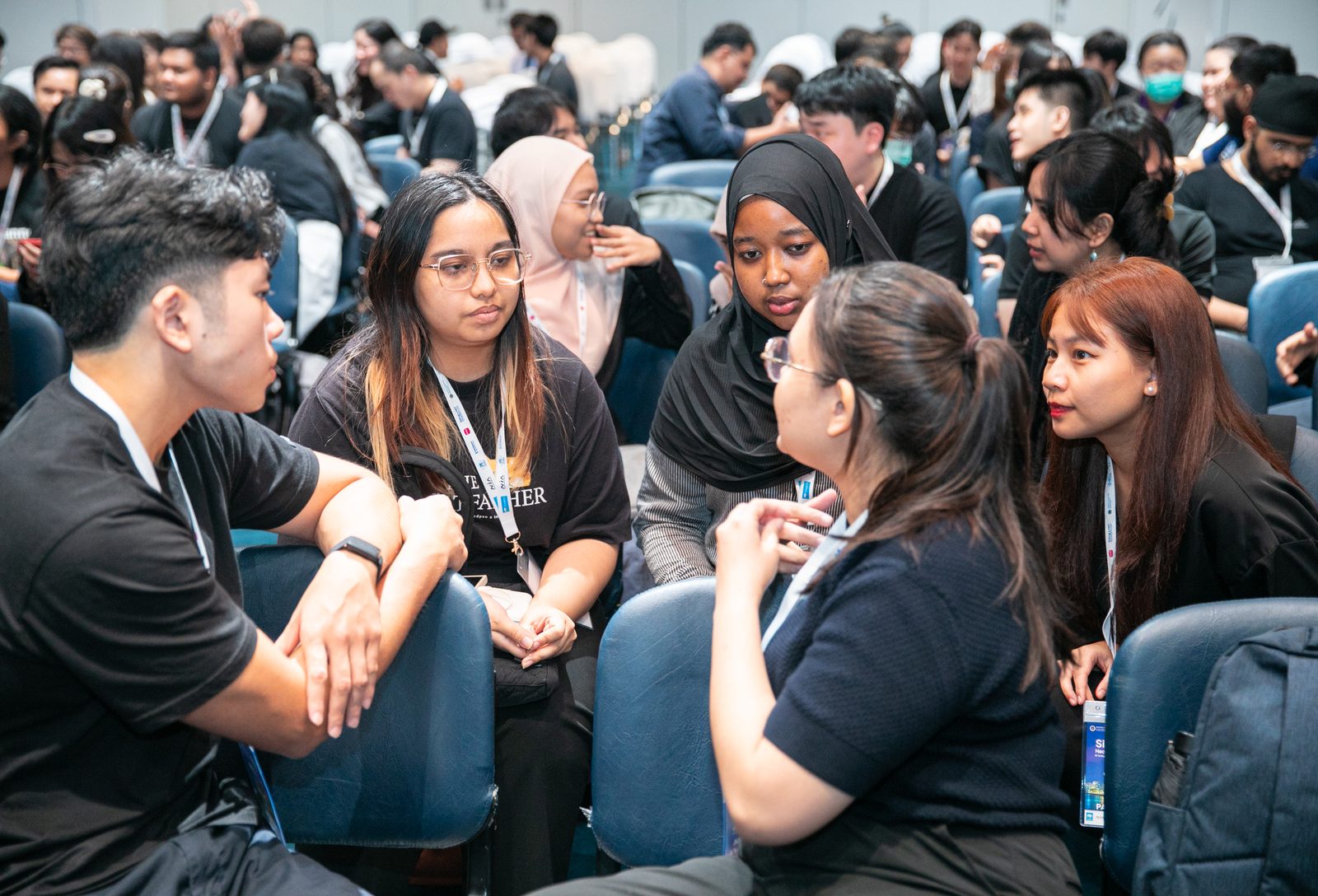
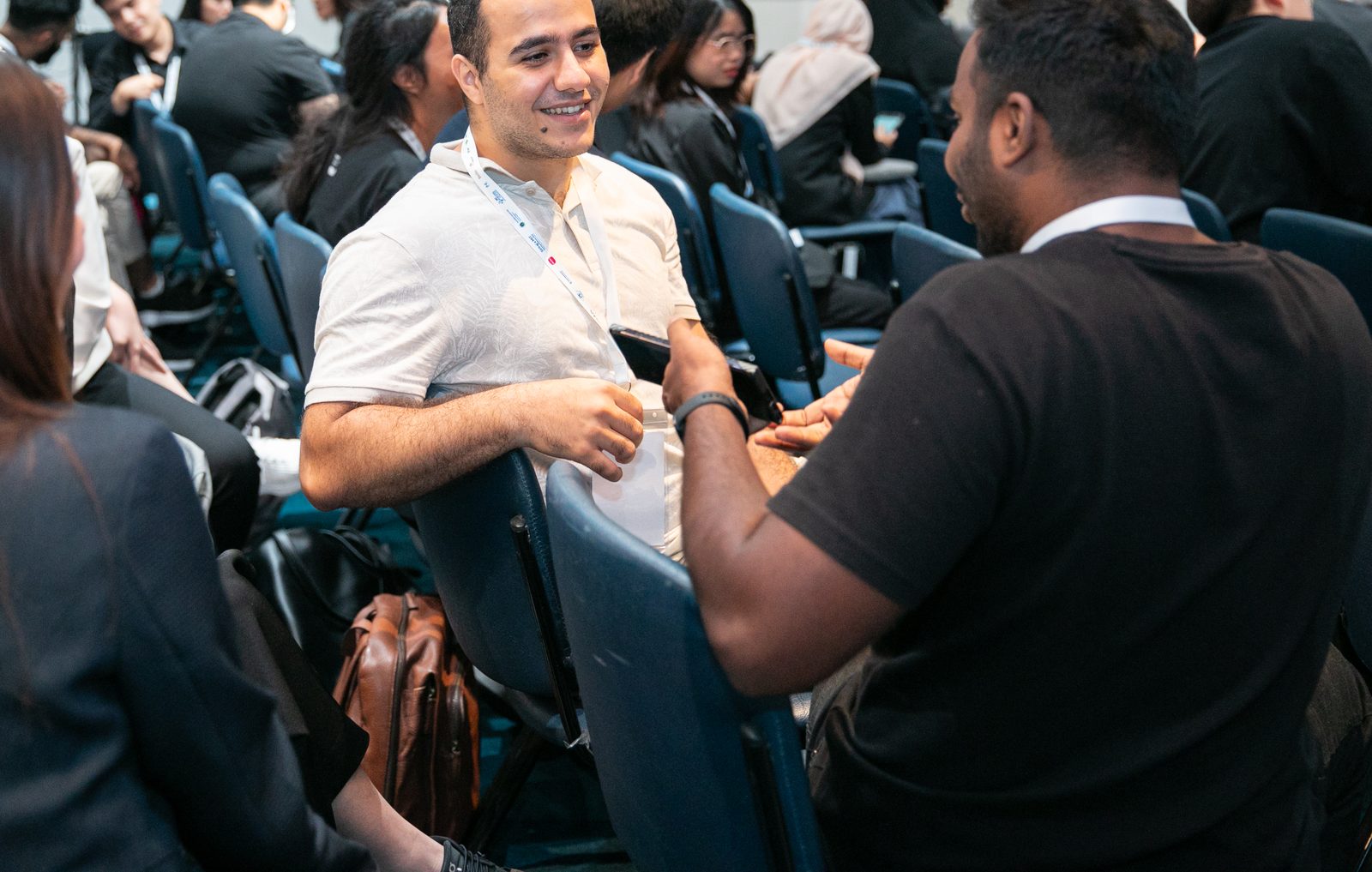
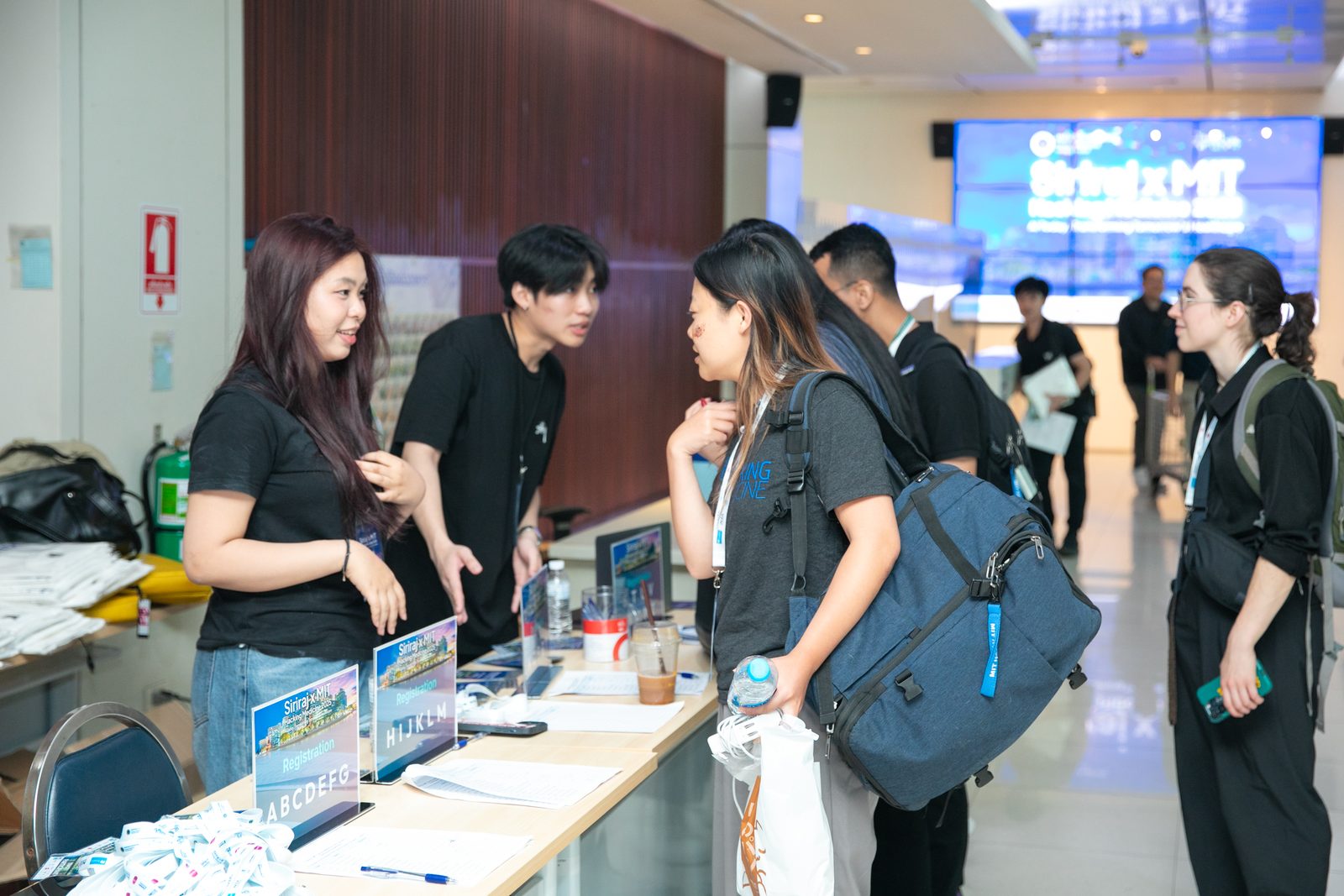
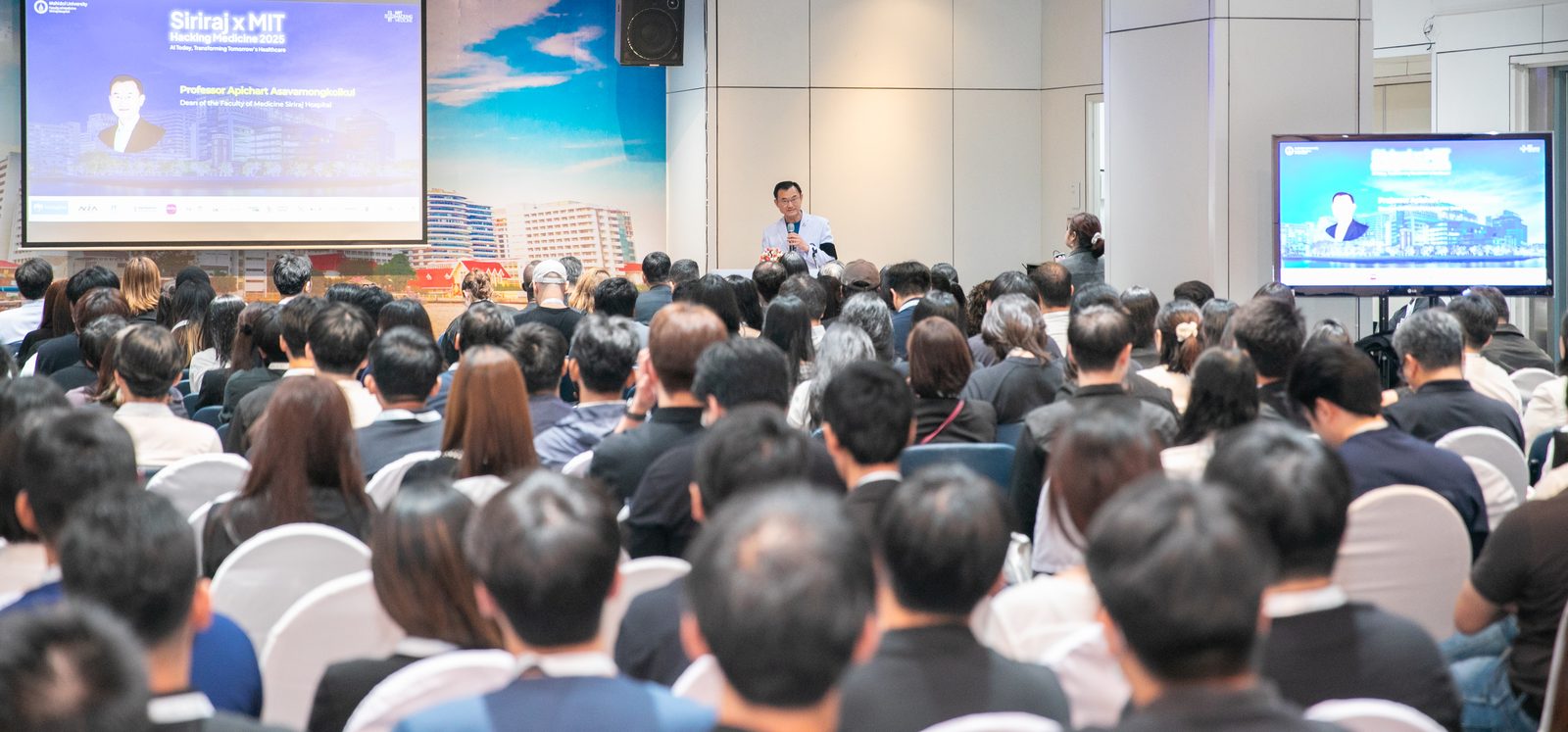
Siriraj x MIT, Bangkok. Teams formed on the Friday and pitched on the Sunday.
More than a hundred places.
Free to everyone selected, food and materials included. Applications close 9 November.
Apply for the hackathon →